


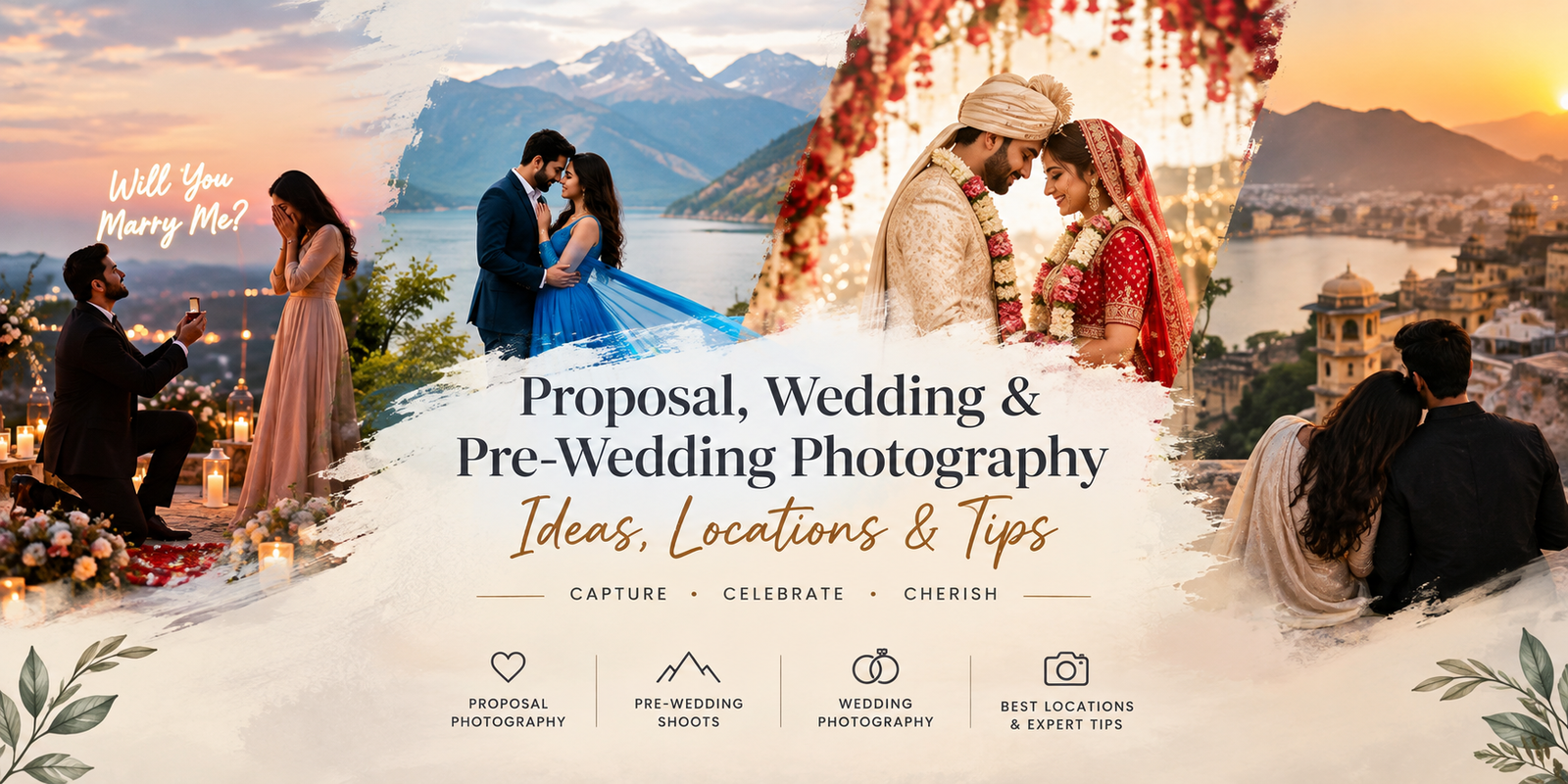
Photography is one of the most important parts of a proposal, wedding, or pre-wedding celebration. Decorations, outfits, venues, and celebrations may last for a few hours or days, but photographs preserve those emotions for years. A well-planned shoot is not only about posing in front of a camera—it is about creating images that tell your story.
From a romantic beach proposal in Goa to a royal pre-wedding shoot in Rajasthan, a winter couple shoot in Kashmir, or a monsoon session in Kerala, India offers an incredible variety of locations and backdrops.
This guide brings together 50+ creative photography ideas for proposal, wedding, and pre-wedding shoots, along with month-wise location suggestions across India to help couples plan their shoot according to the season.
A proposal shoot should focus on anticipation, surprise, emotion, and the reaction after the proposal. Instead of capturing only the ring exchange, plan photographs around the complete story.
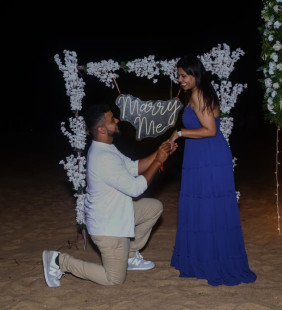
Capture the exact moment when one partner gets down on one knee. The photographer should remain discreet and focus on the genuine reaction rather than asking the couple to recreate the moment.
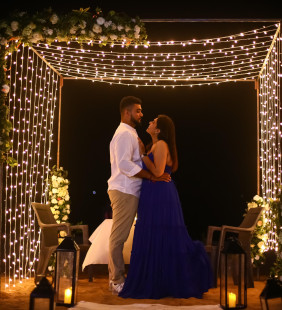
Create a cinematic sequence showing the couple walking toward a beautifully decorated proposal location. This works especially well with floral arches, candles, fairy lights, or a scenic outdoor backdrop.
For a completely natural proposal, the photographer can shoot from a distance using a telephoto lens. This allows the couple to remain unaware of the camera.
Capture a detailed photograph of the engagement ring with the couple's hands, flowers, invitation card, or decorative elements in the background.
The expression immediately after the proposal can become one of the most memorable photographs. Give the couple a few moments to react naturally before beginning posed photographs.


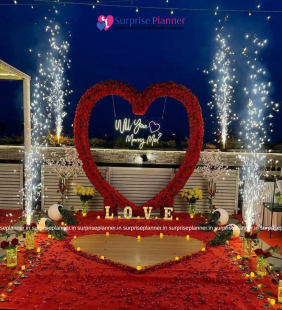


Capture both partners holding hands while the ring is being placed on the finger. A close-up combined with a wider environmental photograph creates a complete story.
A simple forehead kiss can create an intimate and emotional portrait without requiring complicated posing.
Take a wide photograph showing the couple surrounded by the complete proposal decoration. This is particularly effective for beach, rooftop, garden, poolside, and luxury hotel proposals.
After the proposal, capture the couple walking hand-in-hand away from the setup. A wide-angle photograph with the location visible creates a cinematic effect.
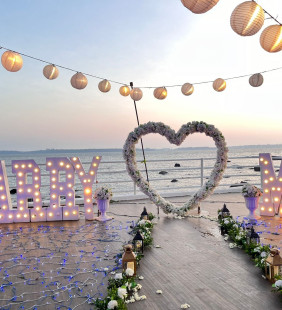
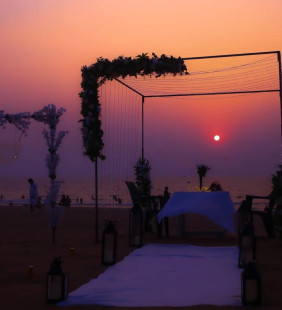
Plan the proposal around sunset and photograph the couple as silhouettes against the changing sky.
After the proposal, capture the couple celebrating together with champagne or another non-alcoholic celebration setup.
Instead of taking only individual photographs, create a sequence: arrival, walking, surprise, proposal, reaction, ring, hug, celebration, and couple portraits.




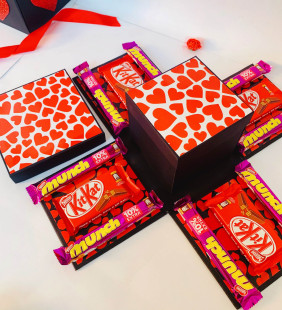

Pre-wedding photography gives couples more freedom to experiment with locations, outfits, themes, props, and storytelling.
Choose a palace, fort, or heritage property and create a royal couple portrait. Rajasthan is particularly suitable for this style.
A lakeside shoot during golden hour creates soft reflections and a romantic atmosphere. Udaipur, Nainital, Srinagar, and Bhopal offer different versions of this concept.
Forget complicated poses and simply walk along the beach together. Capture both wide landscapes and close candid moments.
Wear traditional Indian outfits and photograph the couple against a heritage architecture backdrop. Sarees, lehengas, sherwanis, and traditional jewellery work particularly well.
Choose a modern outfit combination such as a dress with a suit or coordinated casual clothing. Urban locations and cafés can complement this concept.
A classic car can instantly create a vintage cinematic theme. Photograph the couple inside the car, beside it, and during a driving sequence.
For a more casual and youthful shoot, use a scooter or motorcycle. Capture riding, stopping for tea, laughing, and walking together.
Recreate a simple first-date atmosphere inside a stylish café. Capture candid conversations, coffee moments, window portraits, and playful interactions.


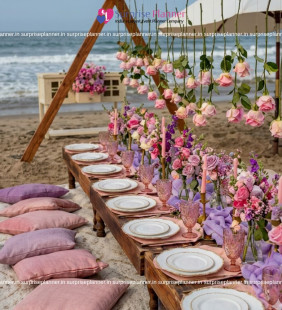






Create a small picnic with a rug, flowers, books, fruits, baskets, and soft décor. This works especially well in gardens and open countryside.
A rooftop provides an excellent urban backdrop. Use the city skyline during sunset or after dark with city lights in the background.
Use a transparent or colourful umbrella during light rain. The couple can walk together while the photographer captures candid frames.
Instead of avoiding rain, use it as part of the concept. Wet streets, reflections, umbrellas, greenery, and mist can create cinematic photographs.
Choose a seasonal flower field and use the natural flowers as the primary backdrop.
The yellow mustard fields of North India create a vibrant traditional Indian pre-wedding setting, especially when paired with contrasting outfits.
A forest location creates a natural and intimate atmosphere. Use pathways, trees, sunlight filtering through leaves, and natural surroundings.
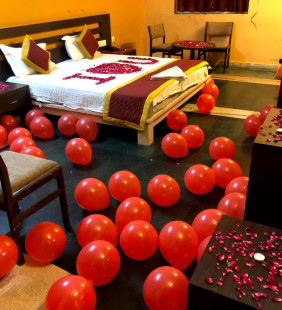


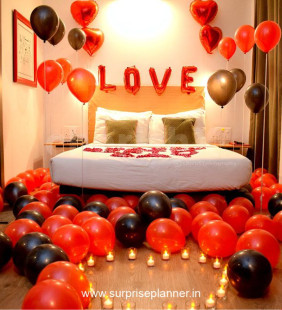




Plan a mountain shoot with trekking, walking, viewpoints, and scenic landscapes instead of limiting the session to traditional poses.
Winter destinations provide an opportunity for snow-filled romantic photographs. Coordinated winter outfits can create a premium editorial appearance.
A private boat can create beautiful photographs on lakes, rivers, or backwaters. Capture both portraits and wide scenic photographs.
A railway station, heritage train, or controlled train journey can create a travel-inspired love story. Always obtain required permissions before professional photography.
Narrow streets, traditional architecture, markets, old doors, balconies, and local cafés can create an authentic cultural backdrop.
A bookstore or library provides a sophisticated indoor concept. Capture the couple browsing books, reading together, and interacting naturally.
A home-based pre-wedding shoot can be highly personal. Photograph cooking together, having breakfast, watching movies, decorating a room, or simply spending time together.
Create an intimate dinner setup with candles, flowers, table décor, and city lights. This can combine proposal and pre-wedding photography.





Add a classic black-and-white section to the album. Focus on expressions, hands, silhouettes, and close-up portraits.
Use dramatic lighting, structured poses, premium outfits, and architectural backgrounds for a magazine-style collection.
Some of the strongest couple photographs happen between poses. Ask the couple to talk, walk, tease each other, or share a private joke.
Use water, mirrors, glass windows, polished floors, or architectural surfaces to create creative reflection compositions.
Use strong morning or evening sunlight to create dramatic shadows of the couple.
Place the couple against a bright sunset, sunrise, or illuminated architectural background and expose for the background.
Create a series of close portraits focusing on eyes, smiles, hands, jewellery, and expressions.
Shoot directly toward soft evening sunlight to create warm highlights and natural lens flare.
For suitable outdoor locations, aerial photography can show the couple surrounded by beaches, mountains, deserts, lakes, gardens, or architectural landscapes. Drone operations must follow applicable local regulations and permissions.
Include handwritten letters, proposal notes, wedding vows, or meaningful messages as props. Photograph the couple reading them or exchange them naturally.





Recreate a childhood photograph or meaningful early relationship moment. This creates a highly personal visual story.
Return to the location or recreate the atmosphere of the couple's first date. Capture details that have personal meaning.
Build the shoot around shared interests such as music, travelling, cooking, books, sports, art, or photography.
Use Holi, Diwali, Navratri, Christmas, or another festival as the creative direction. Traditional clothing and festival décor can add colour and cultural character.
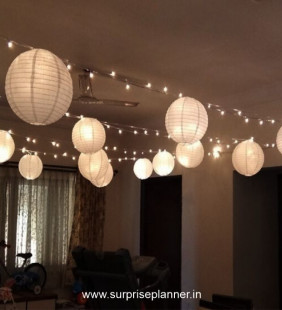
Use fairy lights, city lights, candles, architecture, or controlled artificial lighting to create a dramatic nighttime series.
For permitted venues and professionally managed events, controlled cold-pyro effects can create dramatic celebration photographs. Venue permissions and safety requirements should always be confirmed beforehand.
Create a complete narrative with multiple locations and outfit changes: getting ready, travelling, meeting, exploring, dining, and ending with a romantic sunset or night scene.




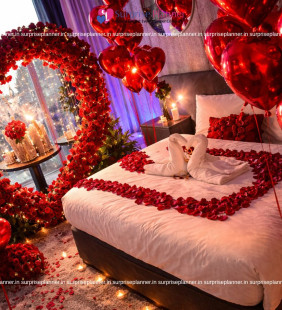



Wedding photography is much more than capturing the bride and groom on stage. A complete wedding album should document the emotions, rituals, family relationships, décor, celebrations, and small details that make the wedding unique.
From getting-ready photographs to the final farewell, these wedding photography ideas can help create a complete visual story.
Capture the bride's transformation before the ceremony begins. Include photographs of makeup, hairstyling, jewellery, lehenga details, and candid moments with bridesmaids and family members.
Photograph the groom while getting dressed, wearing his sehra, adjusting his turban, putting on his watch, or sharing a moment with friends and family.
Take close-up photographs of the bridal lehenga, groom's sherwani, jewellery, shoes, invitation card, bangles, kalire, sehra, and other important details.
Create a dedicated bridal portrait session before the ceremony. Use natural light, architectural backgrounds, windows, floral décor, or a beautifully designed bridal room.
Create editorial-style portraits of the groom. Experiment with standing portraits, seated portraits, architectural compositions, and close-up expressions.
Capture emotional interactions between the bride and her mother during the getting-ready session, wedding rituals, or before the bridal entry.
A quiet photograph of the bride with her father can become one of the most meaningful photographs in the wedding album.
Capture candid moments between the bride, groom, siblings, cousins, and closest friends. These photographs often bring energy and personality to the album.


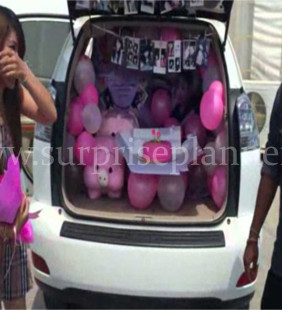


Create a coordinated bridesmaids' portrait using matching outfits, bouquets, sunglasses, or other wedding accessories.
Photograph the groom with his closest friends and brothers. Use both formal group portraits and fun candid compositions.
The bridal entry deserves both wide and close-up photographs. Capture the complete décor, the bride walking toward the mandap, her expressions, and the reactions of the family.
Document the groom's entry with the baraat, dhol, vintage car, horse, or other planned entrance elements.
Capture the energy of the baraat through wide crowd photographs, dancing guests, dhol players, family members, and candid moments.
If the couple plans a first-look ceremony, photograph the anticipation and reaction without interrupting the moment.
A controlled first-look portrait can create an emotional series of photographs showing the couple seeing each other in their wedding outfits for the first time.
Capture the exchange of garlands from multiple angles. Include wide photographs showing the mandap or stage as well as close-up expressions.
Photograph the couple immediately after the garland exchange, including family reactions, flower showers, confetti, and candid celebrations.
Take a wide photograph of the complete mandap before and during the ceremony. This preserves the wedding décor as part of the visual story.


Capture the couple during the pheras with both wide compositions and close-up emotional moments.
Photograph important wedding rituals through close-ups of hands, flowers, sacred fire, offerings, sindoor, mangalsutra, and other culturally significant details.
Capture the groom applying sindoor with a combination of close-up and emotional reaction photographs.
A close-up photograph during the mangalsutra ceremony can become an important storytelling image in the wedding album.
After the rituals, take a few controlled portraits of the bride and groom at the mandap while the décor and flowers remain intact.
Capture the newly married couple walking hand-in-hand through the venue. This works particularly well with palace corridors, gardens, outdoor lawns, or beautifully decorated passages.
Do not focus only on the couple. Photograph parents, grandparents, siblings, and close relatives reacting to the ceremony.
Capture guests laughing, dancing, talking, eating, greeting each other, and enjoying the celebration.
Before guests enter, photograph the venue decoration. Capture the mandap, stage, entrance, floral installations, tables, lighting, candles, centrepieces, and other design elements.


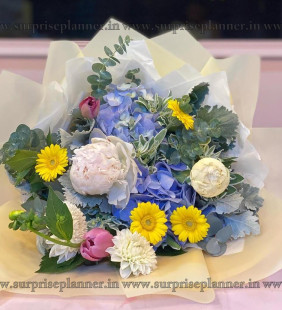
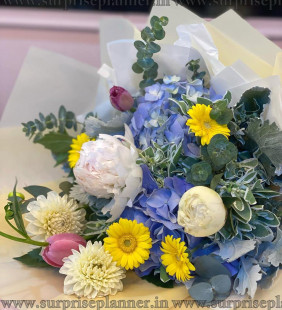




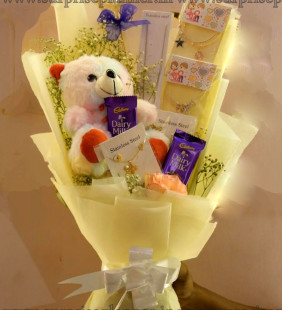


Create a carefully arranged flat-lay photograph featuring the invitation, rings, jewellery, flowers, perfume, wedding stationery, and other personal details.
Position the couple beneath the mandap or floral installation and create a symmetrical portrait. This works especially well for luxury destination weddings.
Take the couple outside during golden hour for warm, soft portraits. A palace, garden, lake, beach, or mountain background can enhance the image.
Create a dramatic silhouette of the bride and groom during sunset. This can be photographed at a rooftop, lake, beach, garden, or open landscape.
Use the bride's veil creatively. Photograph the couple beneath the veil or capture the veil flowing naturally in the wind.
Create detailed photographs of the bride's necklace, earrings, bangles, rings, maang tikka, nose ring, and other jewellery.
Photograph the couple's hands together, highlighting wedding rings, mehndi, bangles, and other details.
Capture detailed photographs of the bride's mehndi before the wedding celebrations become hectic. Include close-ups as well as photographs showing the complete design.
Ask the bride to gently move or spin her lehenga while the photographer captures the fabric and embroidery in motion.


Capture the embroidery, buttons, stole, brooch, safa, footwear, and other details of the groom's wedding attire.
Create formal couple portraits on the reception stage before or during the celebration.
Take dedicated photographs of the couple with both sets of parents. These should include formal portraits as well as natural interactions.
If grandparents are present, make time for dedicated photographs with them. These family portraits can become some of the most valuable images in the album.
Create a properly arranged family portrait with the couple in the centre. Photograph different combinations rather than relying on one large group photograph.
Capture energetic photographs of the couple and guests dancing. Use movement, lighting, and different shutter speeds to create dynamic images.
If the wedding includes a first dance, photograph the complete sequence—from the couple entering the dance floor to close emotional moments.


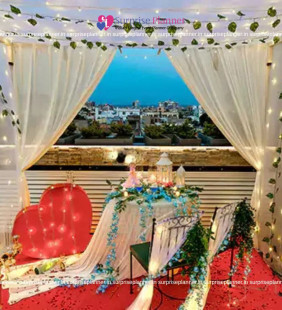


For weddings featuring a cake-cutting ceremony or special celebration, capture both the formal moment and candid reactions from family and friends.
Use the venue lighting, chandeliers, fairy lights, candles, architectural lighting, or city lights to create dramatic nighttime portraits.
A sparkler exit can create a cinematic final sequence. The photographer should coordinate the timing and positioning carefully and follow the venue's safety rules.
If the couple leaves in a decorated luxury or vintage car, use the vehicle as a visual element for final portraits and departure photographs.
The vidaai is one of the most emotional parts of an Indian wedding. Focus on genuine expressions, family interactions, hugs, and the bride's departure rather than staged photographs.
End the wedding album with a symbolic photograph of the couple walking away together. A palace corridor, garden path, staircase, road, beach, or illuminated venue can work beautifully.
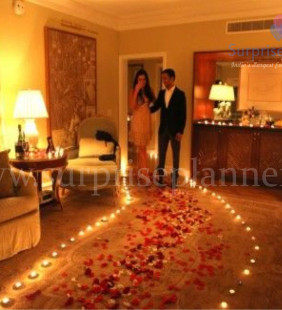
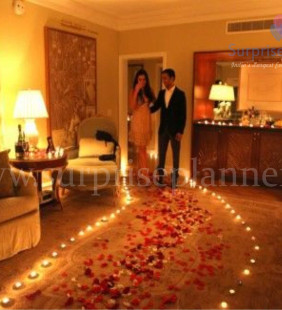


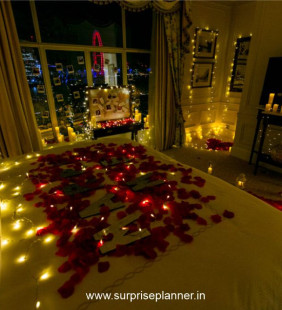
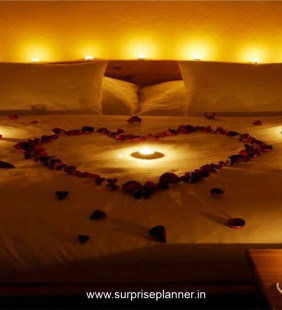

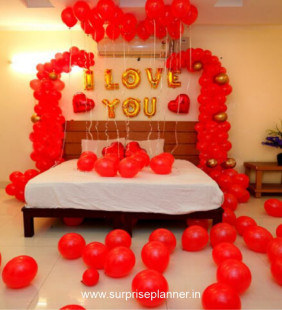

A multi-day Indian wedding provides opportunities to create a different photographic style for every function.
Focus on:
Haldi photography can be colourful, energetic, and candid. Capture turmeric application, floral jewellery, water splashes, laughter, family interactions, and spontaneous moments.
Focus on performances, couple dance, family performances, backstage preparations, audience reactions, stage décor, and energetic dance-floor moments.
The main wedding should include getting-ready photographs, entries, jaimala, mandap details, pheras, rituals, family emotions, couple portraits, and candid guest photography.
Reception photography can have a more editorial and formal style. Focus on stage portraits, guest interactions, couple portraits, family photographs, performances, décor, and evening lighting.


For couples looking beyond traditional wedding photographs, a cinematic approach can make the complete wedding album more dynamic.
Create sequences rather than isolated photographs:
Getting Ready → Bridal Portrait → Groom Portrait → Entry → First Look → Jaimala → Wedding Rituals → Couple Portraits → Family Portraits → Reception → Night Portrait → Vidaai
This approach allows the photographer to tell the complete story of the wedding from preparation to celebration and departure.
For destination weddings, the story can also include the location itself—palace architecture, lakes, beaches, mountains, gardens, heritage corridors, private villas, or resort landscapes.
A combination of documentary photography, editorial portraits, candid photography, detail shots, wide environmental photographs, and cinematic nighttime portraits can give the final wedding album variety and depth.


India offers an incredible variety of landscapes for proposal, wedding, and pre-wedding photography. Instead of selecting a destination only by month, couples can choose a location according to the weather, season, landscape, and photography style they want.
Winter is ideal for outdoor photography in Rajasthan, North India, and several heritage destinations. The comfortable weather also allows couples to spend more time outdoors without extreme heat.
Key photography locations include Lake Pichola, City Palace, Fateh Sagar Lake, Sajjangarh Palace, and Gangaur Ghat.
Udaipur is particularly suitable for royal, luxury, lakeside, and romantic photography. Couples can combine palace portraits with sunset photographs overlooking the lakes.
Popular photography locations include Amer Fort, Jal Mahal, City Palace, Patrika Gate, and Samode Palace.
The city's architecture works particularly well for royal wedding portraits, traditional outfits, editorial photography, and grand pre-wedding concepts.
Important locations include Mehrangarh Fort, Jaswant Thada, the Blue City, and Umaid Bhawan Palace.
The combination of blue-painted houses, massive fort architecture, and royal palaces provides several different looks within one destination.
For desert photography, consider Sam Sand Dunes, Khuri Sand Dunes, Gadisar Lake, Jaisalmer Fort, and Kuldhara.
Sunrise and sunset are particularly useful for creating warm, cinematic desert portraits.
Key locations include Pushkar Lake, the ghats, old streets, surrounding desert landscapes, and traditional architecture.
Pushkar works well for colourful traditional outfits, bohemian concepts, candid photography, and desert-themed shoots.
The Taj Mahal, Mehtab Bagh, and Agra Fort provide iconic heritage backgrounds.
The architectural symmetry and gardens can be used for romantic couple portraits as well as editorial-style photography.
Popular locations include Humayun's Tomb, Lodhi Garden, Sunder Nursery, Hauz Khas, and Agrasen Ki Baoli.
Delhi provides a combination of Mughal architecture, gardens, historic structures, and modern urban surroundings.
The White Rann, Kala Dungar, and Hodka Village offer distinctive landscapes for destination photography.
The white salt desert works especially well with traditional Indian clothing, flowing fabrics, colourful styling, and sunset portraits.


For couples who want snow-covered landscapes, mountain backdrops, and a cinematic winter atmosphere, Himalayan destinations provide several options.
Key locations include Dal Lake, Mughal Gardens, Shalimar Bagh, Nishat Bagh, and Pari Mahal.
Shikaras, traditional Kashmiri architecture, gardens, and mountain views can be incorporated into a romantic destination shoot.
The snow-covered slopes, mountain landscapes, and areas around the Gulmarg Gondola can create dramatic winter portraits.
This destination is particularly suitable for couples looking for a true snow-filled pre-wedding experience.
Important locations include Betaab Valley, Lidder River surroundings, and mountain landscapes.
The combination of rivers, pine forests, valleys, and mountains creates a natural cinematic setting.
The Thajiwas Glacier area and surrounding mountain valleys offer dramatic landscapes for winter and adventure photography.
Key locations include Solang Valley, Old Manali, Hidimba Temple surroundings, and mountain roads.
Manali can provide both traditional winter portraits and adventurous travel-style photographs.
Popular locations include The Ridge, Mall Road, Jakhoo surroundings, and colonial architecture.
The city's colonial character works well for vintage and romantic concepts.
The major photography locations include Khajjiar, Kalatop, Panchpula, and colonial-era areas.
Khajjiar is particularly useful for open landscape and nature portraits.
Auli's snow-covered slopes, mountain viewpoints, and snow trails provide a dramatic backdrop for winter couple photography.
Key locations include Naini Lake, Snow View, Mall Road, and Land's End.
Lakeside photography, boating, and mountain portraits can be combined into a single shoot.
Key locations include Tsomgo Lake, mountain viewpoints, monasteries, and scenic roads.
The destination is suitable for couples looking for mountain scenery combined with cultural and architectural elements.




When the weather is comfortable and dry, couples have greater flexibility to explore outdoor heritage sites, beaches, gardens, lakes, and city locations.
City Palace, Lake Pichola, Fateh Sagar Lake, and Sajjangarh are suitable for royal and luxury photography.
Amer Fort, Jal Mahal, Patrika Gate, and City Palace provide a combination of grand architecture and colourful backgrounds.
Mehrangarh Fort, Jaswant Thada, and the Blue City work particularly well for heritage and editorial photography.
Popular locations include Morjim Beach, Ashwem Beach, Vagator, Chapora Fort, Anjuna, and Palolem.
Goa is suitable for beach proposals, casual pre-wedding shoots, sunset portraits, and destination wedding photography.
Key locations include Ganga riverfront areas, Ram Jhula surroundings, forest roads, and mountain viewpoints.
The destination is ideal for couples who want a combination of adventure, nature, and candid photography.
Taj Mahal, Mehtab Bagh, and Agra Fort provide classic heritage settings.
Important locations include Charminar, Chowmahalla Palace, Golconda Fort, and Hussain Sagar.
These locations are useful for traditional, royal, and architectural photography.
Key locations include Victoria Memorial, Prinsep Ghat, Maidan, College Street, and heritage areas.
Kolkata can provide a distinctive colonial, cultural, and urban photography style.




During India's hotter months, couples can consider hill stations and higher-altitude destinations where outdoor photography can be more comfortable.
Key locations include Pangong Lake, Nubra Valley, Leh Palace, and Shanti Stupa.
Ladakh is particularly suited to cinematic travel stories, adventure photography, and dramatic landscape portraits.
Solang Valley, Old Manali, Hidimba Temple, and mountain roads provide a mix of greenery, mountains, and adventure.
The Ridge, Mall Road, Jakhoo, and colonial buildings create a classic hill-station aesthetic.
Key locations include McLeod Ganj, Dharamkot, tea gardens, and mountain viewpoints.
Khajjiar, Kalatop, and Panchpula are useful for natural and scenic couple portraits.
Srinagar, Pahalgam, Gulmarg, and Sonamarg provide a wide range of landscapes, from lakes and gardens to mountains and valleys.
Key locations include tea gardens, Tiger Hill, Batasia Loop, Mall Road, and surrounding mountain viewpoints.
Tea-estate photography can create a distinctive visual style.
Tsomgo Lake, monasteries, mountain viewpoints, and scenic roads work well for mountain and cultural photography.
Key locations include tea estates, Ooty Lake, Botanical Gardens, and Nilgiri landscapes.
The tea plantations, Mattupetty Dam, Kundala Lake, and surrounding hills provide a lush green setting for romantic photography.




Couples who enjoy dramatic skies, greenery, waterfalls, mist, and rain can use the monsoon season to create a completely different photography style.
Key locations include tea gardens, Kundala Lake, Mattupetty, and mist-covered hills.
Popular locations include waterfalls, coffee and spice plantations, forests, and scenic viewpoints.
Key photography locations include Marari Beach, Alappuzha Beach, backwaters, canals, and houseboats.
A private boat can also be incorporated into a romantic proposal or pre-wedding story.
Key locations include Fort Kochi, Chinese fishing nets, Mattancherry, heritage streets, and coastal areas.
Kochi works well for couples looking for a combination of heritage, coastal, and urban photography.
The major photography settings include coffee plantations, waterfalls, forest roads, and green landscapes.
The surrounding waterfalls, cliffs, misty landscapes, and green valleys provide dramatic monsoon backdrops.
Key locations include Laitlum Canyon, Ward's Lake, waterfalls, and forest roads.
Popular locations include Tiger Point, Rajmachi surroundings, waterfalls, and mist-covered hills.
Key locations include Arthur's Seat, Venna Lake, scenic viewpoints, and waterfalls.
During suitable monsoon conditions, beaches, Chapora, Fontainhas, and lush countryside can create a cinematic tropical atmosphere.


Beach locations are especially popular for marriage proposals and pre-wedding photography because they provide open landscapes, sunsets, water reflections, and natural movement.
Consider Morjim, Ashwem, Vagator, Anjuna, Palolem, and Chapora.
These locations can support everything from casual couple portraits to luxury beach proposals.
Fort Kochi and Cherai Beach provide a combination of heritage and coastal settings.
Marari Beach, Alappuzha Beach, and the backwaters are suitable for combining beach and boat photography.
Radhanagar Beach and selected resort beachfronts provide tropical landscapes, clear water, and sunset photography opportunities.
Key locations include Promenade, Serenity Beach, Paradise Beach, and the French Quarter.
The combination of coastal scenery and French-inspired architecture creates variety within a single destination.
Popular coastal locations include Marine Drive, Bandra Bandstand, and Worli Sea Face.
These are suitable for urban couples who want the city skyline and Arabian Sea together.
The islands offer lagoon, beach, and turquoise-water settings, making them suitable for intimate destination photography subject to travel and location permissions.
Key locations include Varkala Cliff, Papanasam Beach, and cliffside viewpoints.
Popular locations include Om Beach, Kudle Beach, and Half Moon Beach.


Desert landscapes are particularly effective for couples who want warm colours, traditional styling, flowing fabrics, and cinematic sunset photographs.
Sam Sand Dunes, Khuri, Gadisar Lake, and Jaisalmer Fort provide several distinct settings.
Mehrangarh Fort, Blue City, and Jaswant Thada combine royal architecture with the visual character of Rajasthan.
Key locations include Junagarh Fort, Rampuria Haveli, and surrounding desert landscapes.
Pushkar Lake, old streets, ghats, and surrounding desert provide a combination of cultural and natural settings.
The White Rann, Kala Dungar, and Hodka Village are suitable for traditional, ethnic, and cinematic photography.




For couples who prefer natural surroundings over palaces and monuments, India's hill stations, forests, tea gardens, and plantations offer many possibilities.
Tea plantations, Kundala Lake, and surrounding hills are ideal for natural couple portraits.
Forests, waterfalls, plantations, and viewpoints provide a variety of natural backdrops.
Coffee estates, waterfalls, and forest roads work well for relaxed and candid photography.
Tea gardens, Botanical Gardens, and Ooty Lake provide classic hill-station settings.
Tea estates, viewpoints, and heritage railway surroundings can create a vintage and cinematic atmosphere.
Laitlum Canyon, Ward's Lake, waterfalls, and forest roads provide dramatic natural landscapes.
Waterfalls, cliffs, misty valleys, and lush landscapes are particularly suitable for atmospheric photography.
Riverside areas, forests, mountain roads, and scenic viewpoints work well for adventure and nature-based couple shoots.
Key locations include Landour, Camel's Back Road, Mall Road, and mountain viewpoints.
The combination of colonial architecture, hills, forests, and viewpoints makes it suitable for romantic and vintage-style photography.


The best location is not necessarily the most famous location. It should match the couple's personality, outfits, story, season, and photography style.
For a royal theme, consider Jaipur, Udaipur, Jodhpur, Jaisalmer, Agra, or heritage properties.
For a beach proposal or pre-wedding shoot, consider Goa, Andaman & Nicobar Islands, Kerala, or selected coastal locations.
For a mountain shoot, consider Kashmir, Himachal Pradesh, Uttarakhand, Sikkim, Darjeeling, or Meghalaya.
For a luxury destination shoot, private resorts, palace hotels, heritage properties, and exclusive villas can provide controlled environments with multiple photography spots.
For a natural and candid shoot, forests, lakes, gardens, countryside, cafés, old cities, and beaches can provide a less staged appearance.
For a cinematic shoot, combine multiple elements—travel, outfits, transportation, architecture, sunset, dinner, and nighttime portraits—to create a visual story rather than a collection of individual poses.




A successful photography session begins before the camera comes out. Decide the visual direction first.
Create a mood board containing references for:
For a proposal, keep the first part of the shoot discreet and natural. For a pre-wedding session, plan approximately two to four different looks depending on the duration and number of locations.
The photographer should also create a balance between wide landscape photographs, medium couple portraits, close-up emotions, detail shots, and candid photographs.
Most importantly, the couple should not spend the entire session looking directly at the camera. Walking, talking, laughing, holding hands, looking at each other, adjusting an outfit, sharing a quiet moment, or simply enjoying the location can create photographs that feel authentic.
Whether the setting is a royal palace in Rajasthan, a beach in Goa, the backwaters of Kerala, the mountains of Kashmir, the forests of Meghalaya, or a luxury rooftop in a metropolitan city, the strongest photographs come from combining the right location, right light, meaningful interaction, and a story that represents the couple.


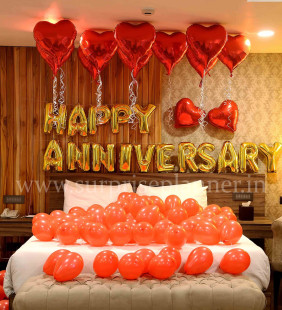
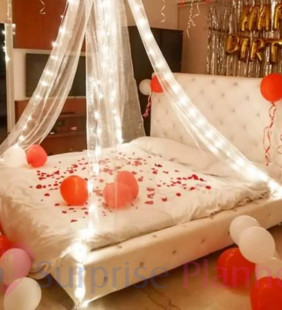
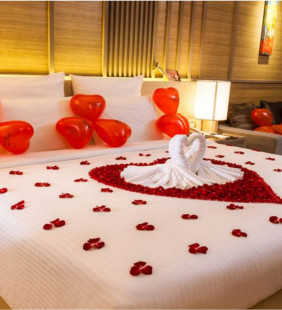

Photography is more than simply capturing beautiful poses—it is about preserving the emotions, relationships, details, and experiences that make a proposal, wedding, or pre-wedding celebration special. From an intimate proposal by a lake to a royal portrait in Rajasthan, a romantic beach shoot in Goa, a snowy couple session in Kashmir, or a cinematic wedding celebration, the right concept and location can transform ordinary moments into memorable photographs.
The best photography ideas are those that reflect the couple's personality and story. Combining candid moments, creative portraits, meaningful details, scenic locations, natural expressions, and cinematic compositions can create an album that feels personal rather than repetitive.
When planning your shoot, consider the weather, destination, lighting, outfits, location permissions, travel time, photography style, and overall story. A well-planned photography timeline also ensures that important moments are captured without making the couple feel constantly directed by the camera.
Whether you are planning a proposal, pre-wedding session, intimate wedding, or grand destination celebration, India offers countless photography possibilities—from palaces and forts to beaches, mountains, lakes, deserts, forests, heritage streets, and luxury venues.
With the right photographer, creative concept, carefully selected location, and thoughtful planning, your photographs can become more than memories—they can become a visual story of your journey together.


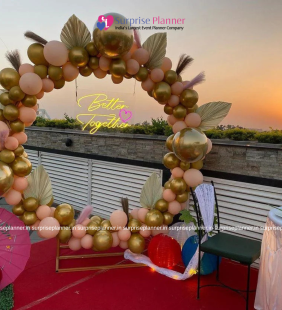


Creative proposal photography can include hidden-camera proposal shots, ring close-ups, first-reaction portraits, sunset silhouettes, walking-towards-the-setup photographs, candid hugs, and a complete proposal story sequence from arrival to celebration.
India offers a wide variety of pre-wedding locations, including Udaipur, Jaipur, Jaisalmer, Jodhpur, Goa, Kashmir, Manali, Kerala, Rishikesh, Mussoorie, Munnar, Darjeeling, and Andaman & Nicobar Islands.
Rajasthan is particularly suitable for royal-themed photography. Jaipur, Udaipur, Jodhpur, and Jaisalmer offer forts, palaces, heritage architecture, lakes, and desert landscapes.
Pleasant, dry weather is generally comfortable for outdoor photography. However, the ideal weather depends on the destination and photography concept. Mountains may work well in summer, while Rajasthan is often preferred during cooler periods.
Goa, Varkala, Gokarna, Pondicherry, Kerala, Andaman & Nicobar Islands, Kochi, and Alappuzha offer beaches and coastal landscapes suitable for romantic couple photography.
Yes. Monsoon can create unique photographs featuring rain, mist, reflections, waterfalls, and lush greenery. Munnar, Wayanad, Coorg, Shillong, Cherrapunji, Lonavala, and Mahabaleshwar are popular types of destinations for monsoon photography.
For snow and winter-themed photography, couples can consider Kashmir, Gulmarg, Pahalgam, Sonamarg, Manali, Shimla, Dalhousie, Auli, Nainital, and Gangtok, depending on current weather and accessibility.
Two to four outfits can work well for a typical pre-wedding session. Couples can combine traditional, western, casual, and formal looks depending on the number of locations and duration of the shoot.
Couples can focus on interacting with each other rather than constantly posing. Walking, talking, laughing, holding hands, sharing a private moment, and allowing candid interactions can help create more natural photographs.
Important moments include bridal and groom preparations, entries, baraat, first look, jaimala, pheras, wedding rituals, sindoor, mangalsutra, family emotions, couple portraits, reception celebrations, and vidaai.
Unique ideas include editorial bridal portraits, cinematic couple walks, veil photographs, creative reflections, night portraits, golden-hour photographs, detailed flat lays, family storytelling, architectural portraits, and professionally coordinated sparkler exits where permitted.
A pre-wedding shoot can take anywhere from a few hours to a full day, depending on the number of outfits, locations, concepts, and travel requirements. Multi-location shoots generally require additional time for transportation and setup.
Drone photography can provide wide aerial perspectives of beaches, palaces, mountains, deserts, and outdoor venues. However, drone operations should always follow applicable regulations and location or venue permissions.
Consider the couple's personality, preferred photography style, weather, accessibility, outfits, lighting, privacy, travel time, and location permissions. The location should support the story and visual style you want to create.
Start by creating a concept and mood board, select suitable locations, coordinate outfits and décor, plan the photography timeline, and identify important moments in advance. Combining wide landscape shots, candid interactions, close-ups, details, golden-hour portraits, and nighttime photography can create a cinematic visual story.
































 Jaipur
 Delhi NCR
 Bangalore
 Kolkata
 Pune
Pune Indore
 Hyderabad
 Mumbai
 Ahmedabad
 Chennai
 Chandigarh
 Udaipur
 Goa
Goa