


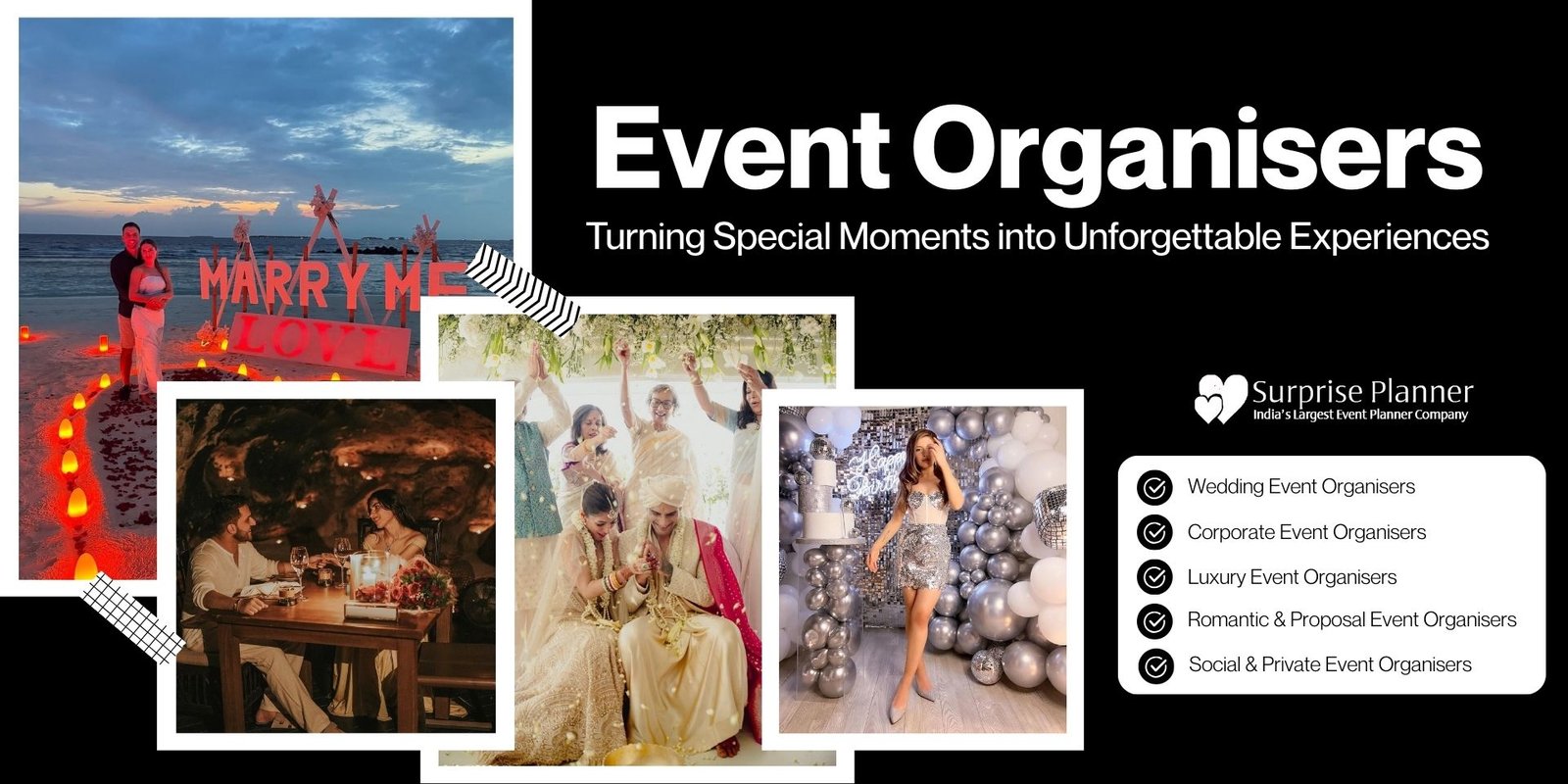
Events are no longer just gatherings—they are experiences, emotions, and memories that stay with people for a lifetime. From luxury weddings and romantic marriage proposals to corporate launches and private celebrations, expectations have evolved dramatically. This transformation has given rise to the growing importance of professional event organisers.
Event organisers are the architects behind unforgettable moments. They combine creativity, planning, coordination, and execution to turn a simple idea into a flawlessly managed event. In a world where time is limited and expectations are high, event organisers have become an essential part of modern celebrations.
Early Days of Event Planning
Traditionally, events were managed by families, in-house teams, or venue staff. Décor was basic, planning was informal, and experiences were limited.
Rise of Professional Event Organisers
With urban lifestyles, destination events, and social media influence, demand for professionally planned events increased. Clients wanted:
The event management industry in India is now a multi-billion-rupee sector, growing rapidly across metros and luxury destinations.
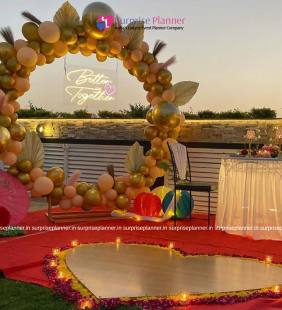

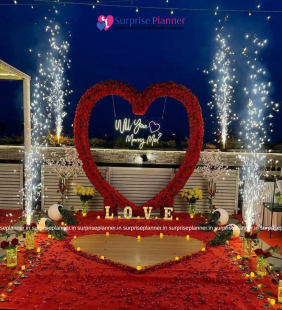


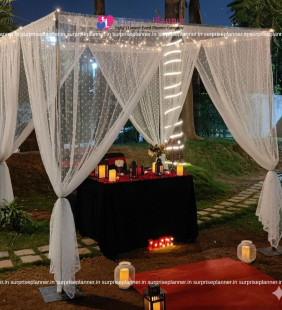

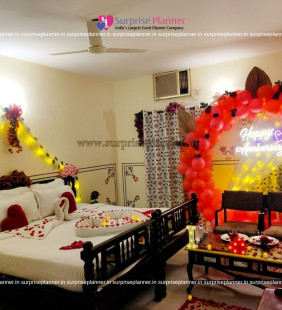


Event organisers are specialists who conceptualize, plan, manage, and execute events while ensuring smooth operations and exceptional guest experiences.
They act as:
A professional event organiser does not just “arrange things”—they orchestrate moments.


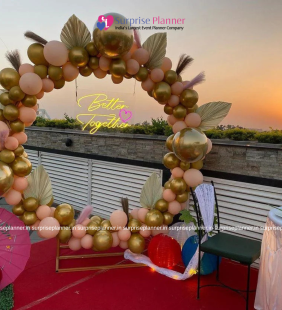


Event organisers handle everything from the first idea to the final wrap-up.
Core Responsibilities:
Their goal is simple: deliver perfection without stress.




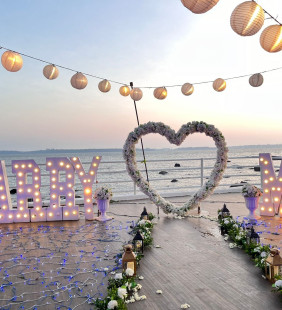
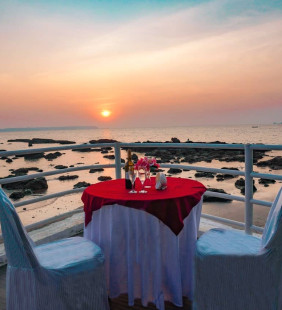
Wedding Event Organisers
Specialize in weddings, engagements, pre-wedding functions, and destination weddings.
Corporate Event Organisers
Handle conferences, brand launches, exhibitions, and corporate celebrations.
Luxury Event Organisers
Focus on premium, high-budget, experience-driven events.
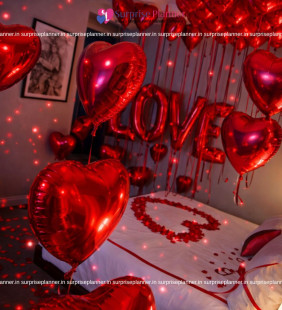
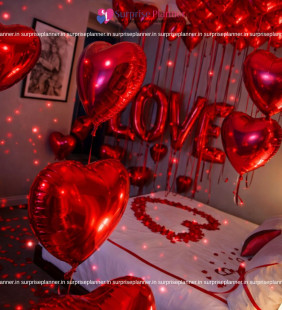
Romantic & Proposal Event Organisers
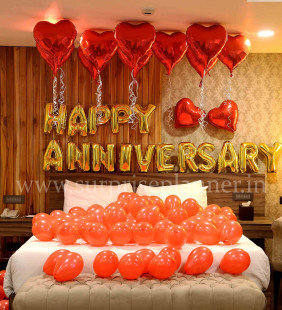
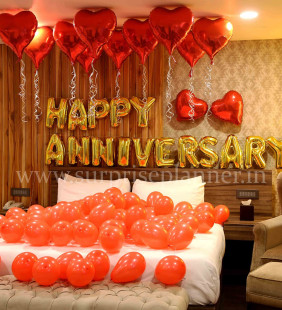
Plan marriage proposals, candlelight dinners, surprise dates, and anniversaries.
Social & Private Event Organisers
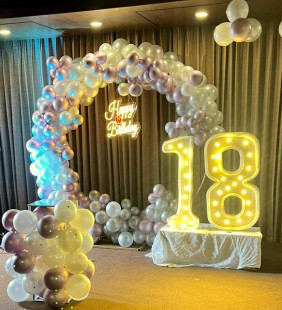
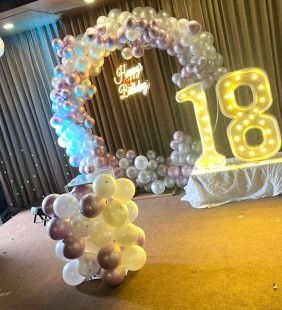
Manage birthdays, house parties, baby showers, and festive events.


Wedding & Pre-Wedding Events
Romantic Events
Corporate Events
Social Celebrations




Step 1: Client Consultation
Understanding goals, preferences, budget, and expectations.
Step 2: Concept & Theme Development
Designing a unique visual and experiential concept.
Step 3: Budget Planning
Allocating costs smartly across décor, venue, entertainment, and logistics.
Step 4: Vendor Booking
Sourcing decorators, caterers, photographers, artists, and technicians.
Step 5: Execution & Management
On-ground coordination, setup supervision, and guest handling.
Step 6: Wrap-Up
Dismantling, payments, and post-event feedback.


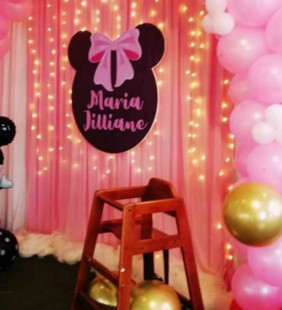
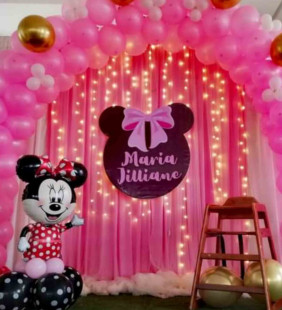


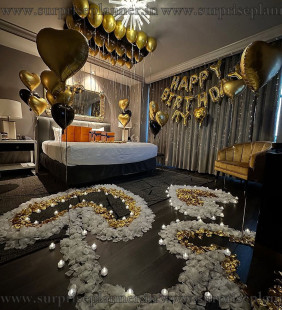

Creativity is the heart of event organising.
Event organisers design:
From minimalistic elegance to royal luxury, every detail is aligned with the client’s vision.









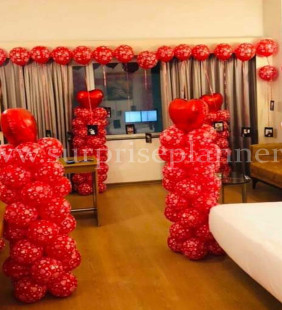
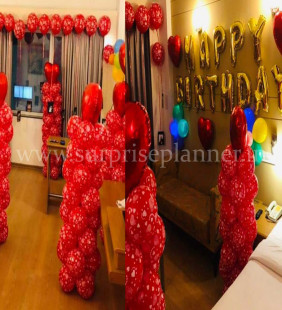
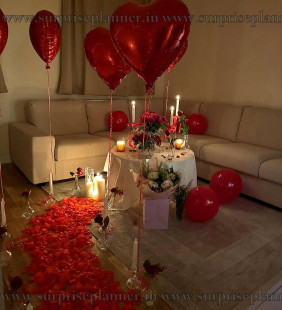

One of the biggest benefits of hiring event organisers is financial control.
They help:
Professional planning often saves more money than self-managed events.


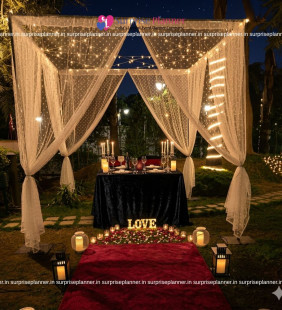
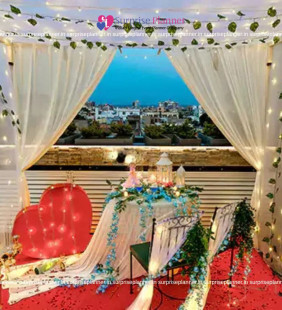
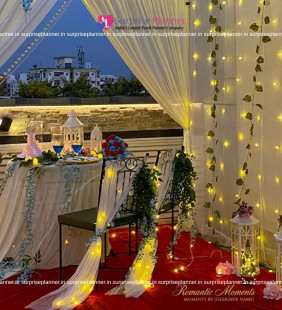
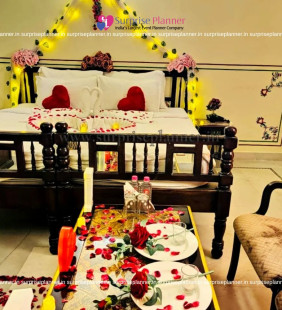
Choosing the right venue defines the entire event.
Event organisers consider:
They also design space layouts for seating, décor, stages, and movement.






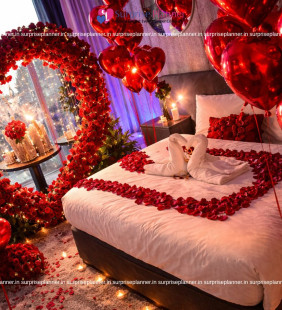

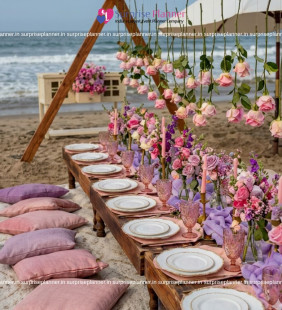
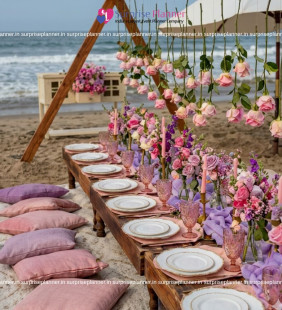


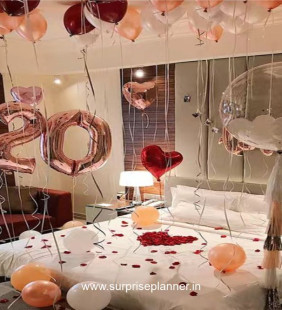
Décor is what guests remember first.
Event organisers manage:
Ambience is crafted to trigger emotions and elevate experiences.


Events today are about engagement, not just attendance.
Organisers curate:
The goal is to keep guests emotionally involved.


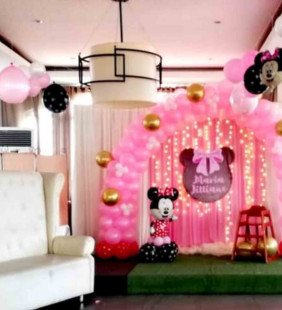


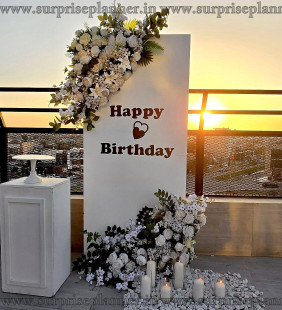


Event organisers act as a single point of coordination for all vendors:
This ensures seamless communication and accountability.


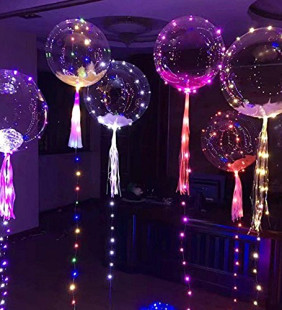



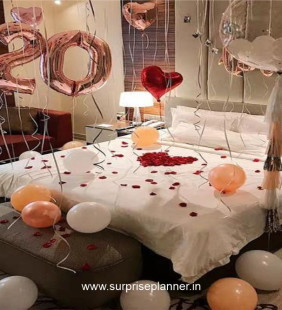
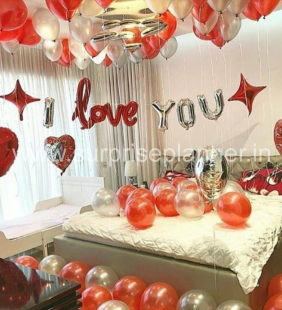
Modern event organising uses:
Technology improves efficiency and guest experience.


Luxury events focus on:
Luxury event organisers deliver elegance, privacy, and perfection.
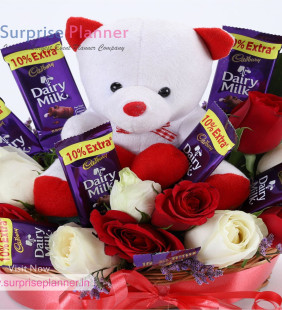


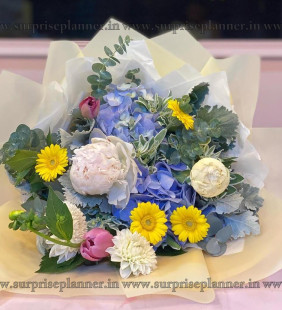


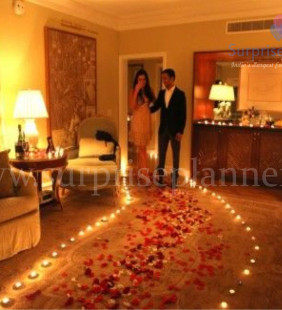
Romantic events require emotion-driven planning.
Proposal organisers handle:
These moments are deeply personal and must be flawless.


Destination wedding organisers manage:
They turn weddings into memorable journeys.


Corporate events demand:
Event organisers ensure brand image is protected and enhanced.
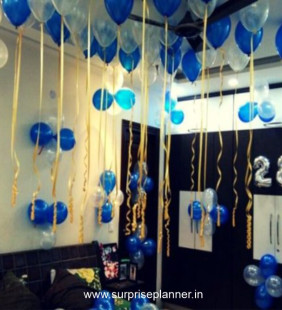



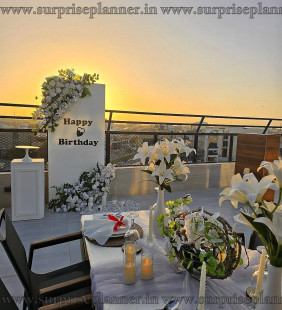
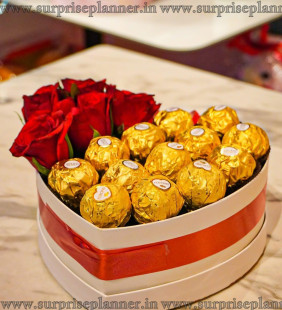
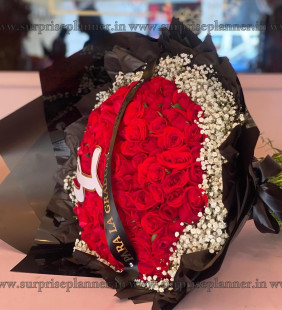
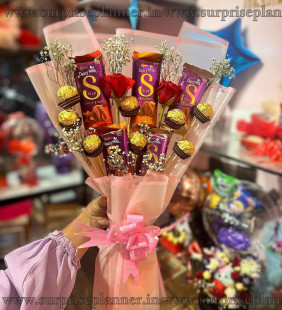
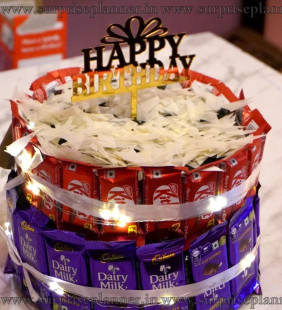
From birthdays to anniversaries, organisers make personal events stress-free and stylish.
Major event hubs include:
Each city has unique trends and specialties.
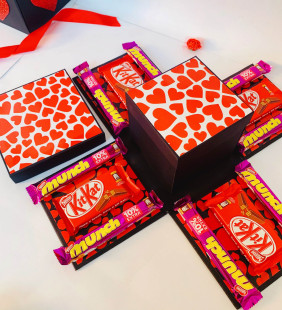


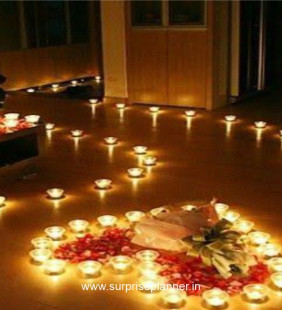
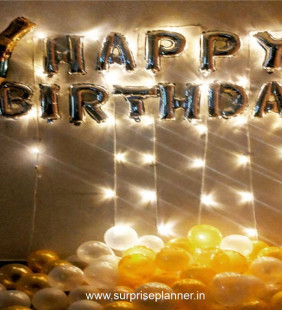
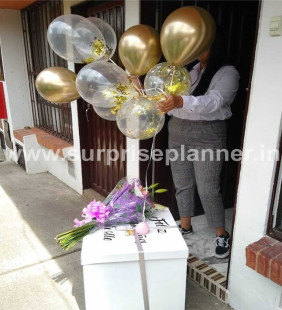


Professional organisers are trained to manage chaos calmly.
Every event has Plan A, B, and C:


Event organisers handle:
Modern events focus on:
Sustainability is the future of event organising.






Events are powerful marketing tools for brands.
Organisers align:
Events today are designed for:
Aesthetic appeal is essential.


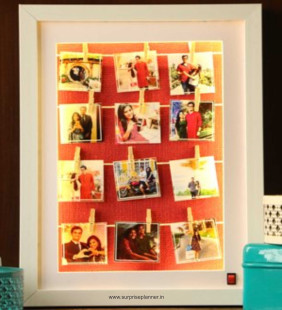
Personalization makes events unforgettable:
Look for:


Costs depend on:
Professional organisers offer flexible packages.


Trends include:


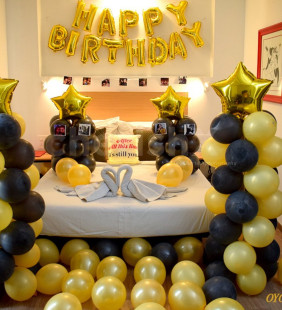
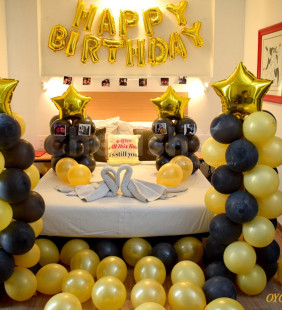


They turn stress into joy and ideas into reality.
Event organisers are no longer optional—they are essential partners in creating meaningful experiences.








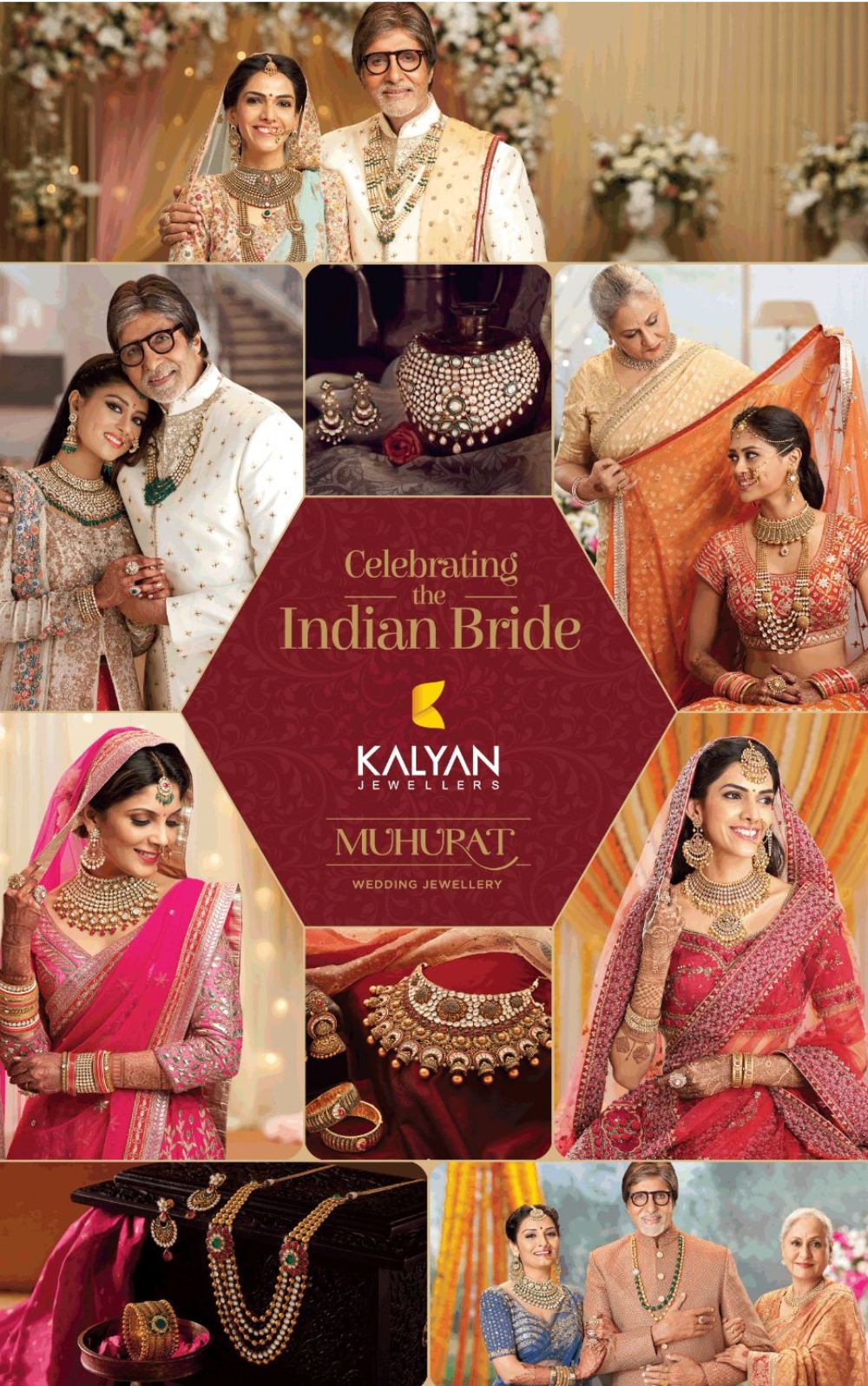
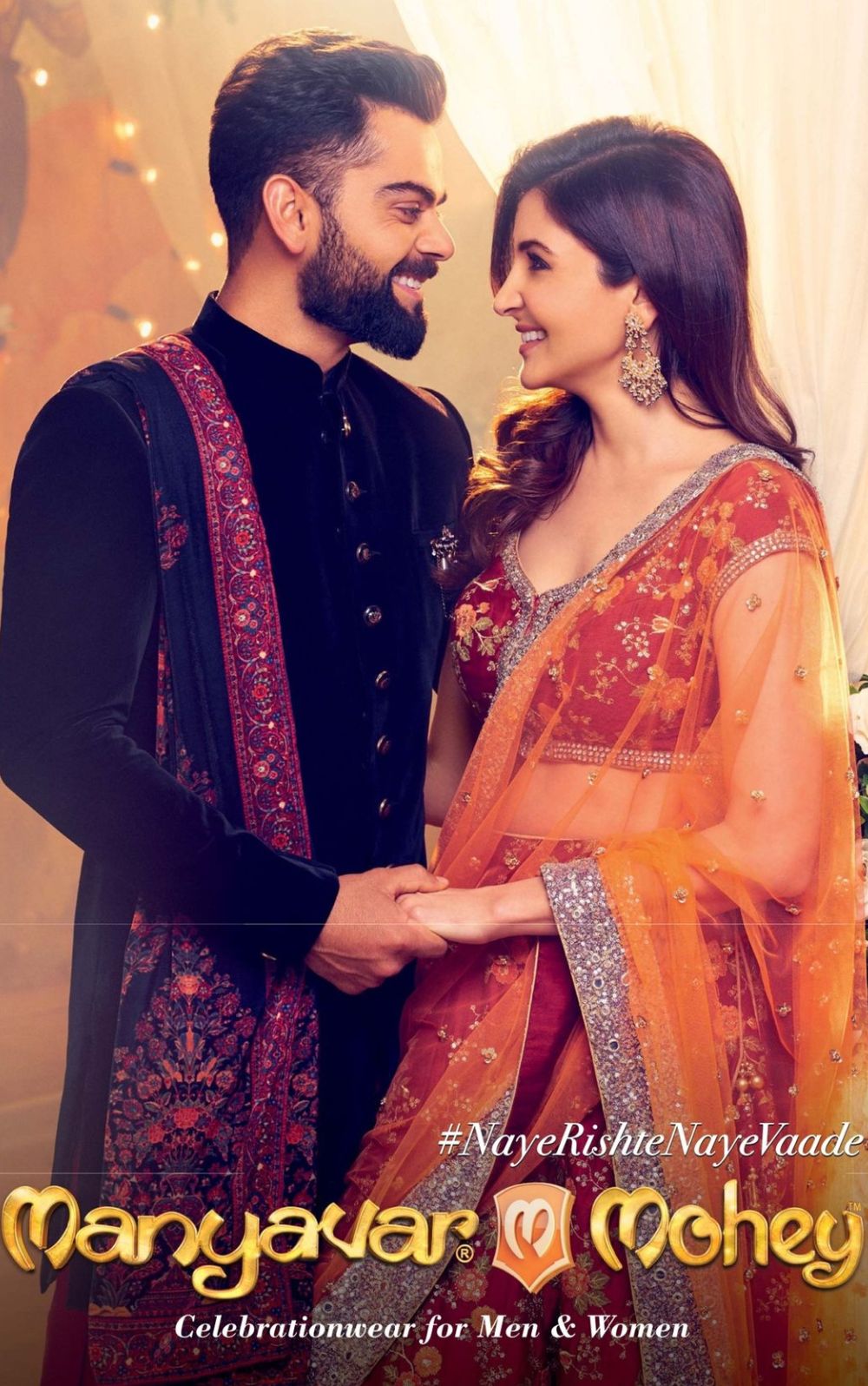




















 Jaipur
 Delhi NCR
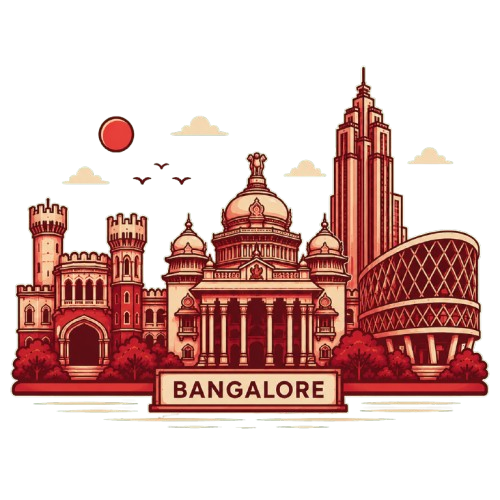 Bangalore
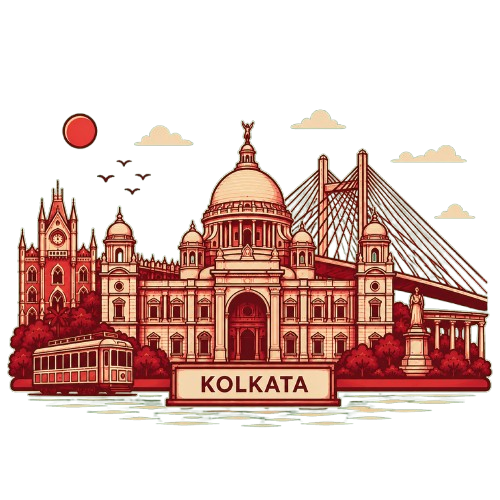 Kolkata
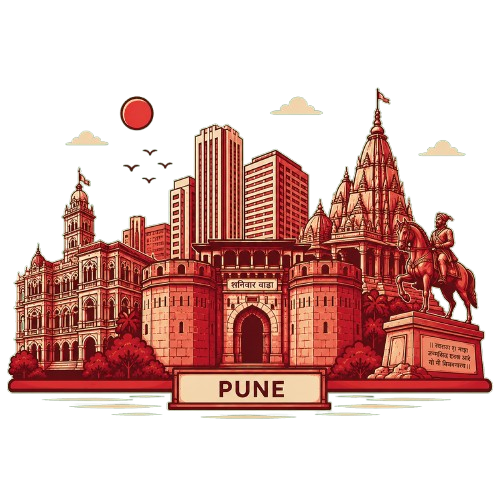 Pune
Pune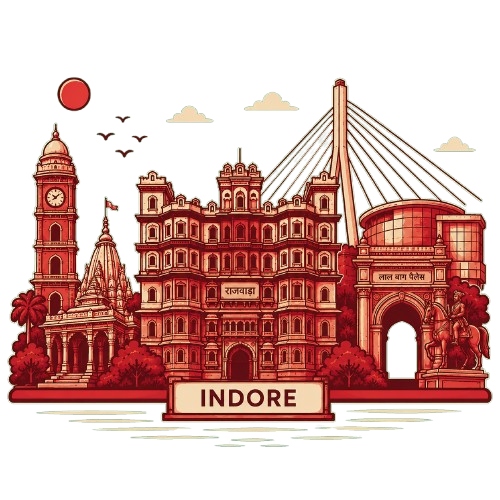 Indore
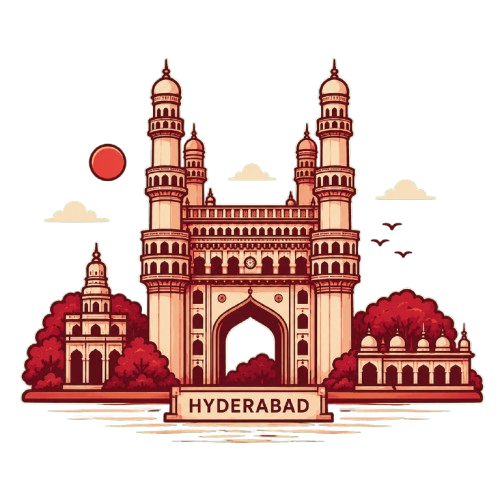 Hyderabad
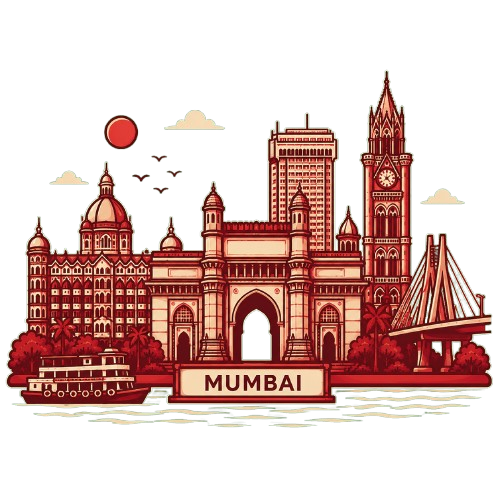 Mumbai
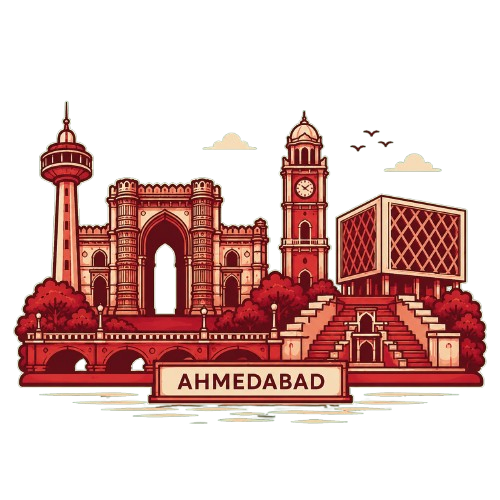 Ahmedabad
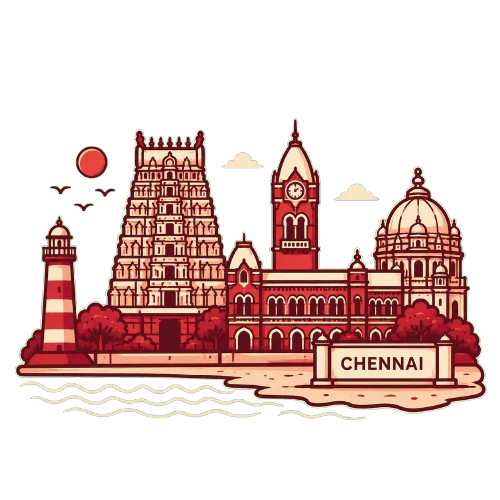 Chennai
 Chandigarh
 Udaipur
 Goa
Goa